It’s funny how the technology we rely on most is usually the stuff we barely notice. Your phone works, the WiFi connects, the lights turn on, the car starts, and you don’t think twice about any of it. But the second something stops working, it suddenly becomes the center of your day.
Elevators fall into that same category of “invisible until they’re not.” Most people step into an elevator expecting it to work instantly, safely, and without interruption. It’s just part of the routine of modern buildings. But when an elevator goes out of service, everything changes. Tenants get frustrated, deliveries slow down, accessibility becomes an issue, and building operations can quickly turn chaotic.
That’s why reliability matters so much in the elevator industry. The goal is to keep elevators and escalators running so consistently that nobody even thinks about them. In many ways, the best elevator and escalator systems are the ones passengers never notice at all.
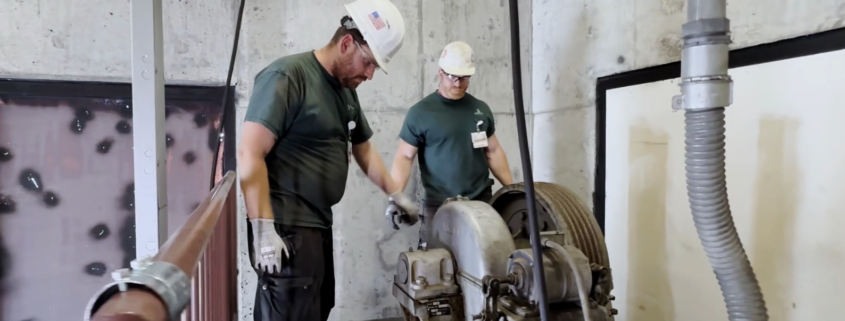
Of course, that level of reliability doesn’t happen by accident. Behind every smooth ride is ongoing maintenance, inspections, troubleshooting, and preventative care designed to catch small problems before they become major shutdowns. For mechanics and building owners alike, the focus is simple: keep equipment safe, dependable, and operating with as little disruption as possible.
What Is Meant by Preventive Elevator Maintenance?
Preventive maintenance is the active work required to keep an elevator in its peak operational state. It is not merely a reaction to a breakdown. Rather, it’s the comprehensive tuneups and updates that include:
- Inspections: Regularly scheduled “check-ups” to spot wear before it leads to a failure.
- Lubrication and Adjustment: Ensuring that mechanical parts glide without friction, and sensors are calibrated to the millimeter.
- Code Compliance: Ensuring the unit meets local and national safety standards (like ASME A17.1).
- Cleaning: Removing debris from door tracks and pits, which is a leading cause of mechanical interference.
But here’s a key question: what maintenance should be prioritized to ensure elevators remain in an optimal operating state? After all, there’s opportunity cost with every decision to address one issue over something else.
Elevator Maintenance: 5 Most Common Elevator Issues
To help in that equation, here are the 5 most common elevator issues. These are common “pain points” identified by elevator technicians and mechanics across the industry:
- Door Operation Malfunctions
This is the most common reason for elevator service calls, which isn’t very surprising. Doors are the most “active” part of the elevator, opening and closing thousands of times a week.
- Elevator Issue: There are worn rollers, dirty tracks, or misaligned sensors (including photo-eyes).
- How the Problem Presents: The doors no longer open or close properly or consistently.
- Recommended Maintenance: Monthly cleaning of the door sills, lubrication of the hangers, and recalibration of the door sensors.
- Misaligned Motor Drives (Vibration)
If the motor shaft isn’t perfectly aligned with the motor drive, it creates uneven wear and a “shaking” sensation for passengers.
- Elevator Issue: High-frequency vibration that eventually damages the motor bearings.
- How the Problem Presents: Signs of misaligned drives can include increased noise, vibration, shaking, or in more severe cases, the elevator will shut down.
- Recommended Maintenance: Regular vibration analysis and laser-alignment checks during annual inspections.
- Contaminated Hydraulic Oil or Lubricants
As previously discussed, there are two main elevator lifting systems: hydraulic and electric (traction) motor [this can be linked to recent blog article on this topic when live]. All elevators rely on fluids to stay cool and move smoothly. This includes hydraulic fluids, but also lubrication found in traction motor systems. Over time, metal shavings, debris, or moisture can contaminate these fluids.
- Elevator Issue: Jerky movements or “stalling” between floors.
- How the Problem Presents: Contaminated fluid may lead elevators to stop between floors, fail to hold position, move erratically, or simply slow down.
- Recommended Maintenance: Mechanics should perform oil analysis and regular filter changes to ensure “clean” power delivery.
- Worn Sheaves and Ropes
The sheaves (pulleys) and hoist ropes are the “lifting muscles” of the elevator system.
- Elevator Issue: Ropes can stretch or “crown,” and sheaves can develop grooves that eat into the cables.
- How the Problem Presents: Elevator service may be rough, noisy, and/or shaky. There could also be uneven leveling with the floor when the doors open.
- Recommended Maintenance: Visual inspections for red dust associated with “rouging” (this is not actually rust, but oxidized lubricant residue,) and re-grooving sheaves before they damage the expensive cables.
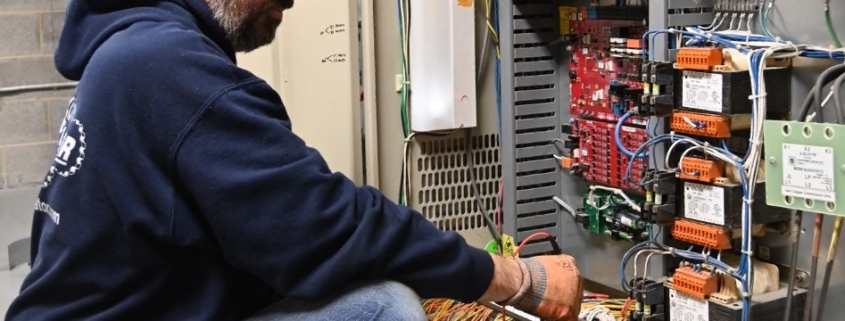
- Controller Overheating & Software Glitches
Modern elevators are essentially computers that like to stay cool. But unlike that version in your pocket, these computers happen to also haul around up to 3,500 pounds in the case of commercial passenger versions, so when temperatures inside machine rooms rise above recommended temperatures (typically from about 55 to 90 degrees Fahrenheit), issues can arise.
- Elevator Issue: Machine rooms that are too hot can cause the microchips to fail or the software to glitch.
- How the Problem Presents: There can be numerous signs including unresponsive buttons inside the cabin, or poor or inaccurate leveling when the elevator stops; elevators can also make unexpected stops or skip floors, or you might see slow response times or error codes appearing on the display.
- Recommended Maintenance: Ensure the machine room HVAC system is functioning within recommended temperature ranges, and the controller cabinet is kept free of dust and debris. It should be noted that the air conditioning in machine rooms is usually maintained by an outside, third-party firm, not the elevator company or mechanic.
Why the “Who” Matters: The Case for Highly-Trained Labor
Keeping elevators running safely and reliably is imperative to building owners, managers, tenants, and visitors. Regular preventive maintenance for your elevators is tedious and requires real attention to detail. As a property manager or building owner, who you hire to perform this work is a direct reflection of your commitment to safety.
Why Hiring an IUEC-Affiliated Elevator Company is a Smart Option:
- Rigorous Training: IUEC elevator constructor mechanics complete a 4- to 5-year apprenticeship program (NEIEP in U.S./CEIEP in Canada) that is widely considered the gold standard in the industry.
- Safety Culture: The IUEC supports strict on-site safety protocols that reduce the risk of accidents during maintenance, protecting both the worker and the building’s liability.
- Cross-Platform Knowledge: Mechanics employed by IUEC-affiliated elevator companies are trained to work on equipment from all major manufacturers (including KONE, Otis, Schindler, TKE, and others), whereas those who work for non-affilaited shops may have gaps or blind spots with specific proprietary equipment or software.
- Accountability: The IUEC ensures that the mechanic has the support and security of a comprehensive healthcare and retirements benefits package, which often translates to higher retention and more “seasoned” workers who know your building’s history.
Why a Maintenance Control Program is Key
When you purchase and install a new elevator or escalator, the manufacturer typically provides a recommended Maintenance Control Program (MCP). This plan ensures that an elevator, escalator, or other conveyance equipment is maintained correctly throughout its life. It details the specific information on what maintenance should be performed, how maintenance should be performed, when maintenance should be performed, and how often maintenance should be performed for your vertical transportation equipment.
2000 or later editions of the ASME A17.1/CSA B44 elevator code require MCPs to be in place for all conveyance equipment; check with your local authority having jurisdiction (AHJ), your elevator inspector, or your maintenance company to find out which version of the code your area has adopted. Even if your AHJ hasn’t mandated an MCP, it’s strongly recommended you have one to protect your equipment and the people who use it.
Once your MCP has been implemented, your contracted elevator and escalator maintenance company is responsible for following that plan.
Conclusion: Preventative Maintenance is an Investment in Continuity
Elevator maintenance should be treated as a long-term strategy that ensures reliable daily performance. By addressing key issues like the five noted above, you can extend equipment lifespan and avoid the significant capital cost of premature replacement.
Whether you’re a building owner protecting an asset or a mechanic ensuring a safe ride, the goal is the same: a system that performs so well it goes unnoticed.