Proposed KONE and TK Elevator (TKE) Merger
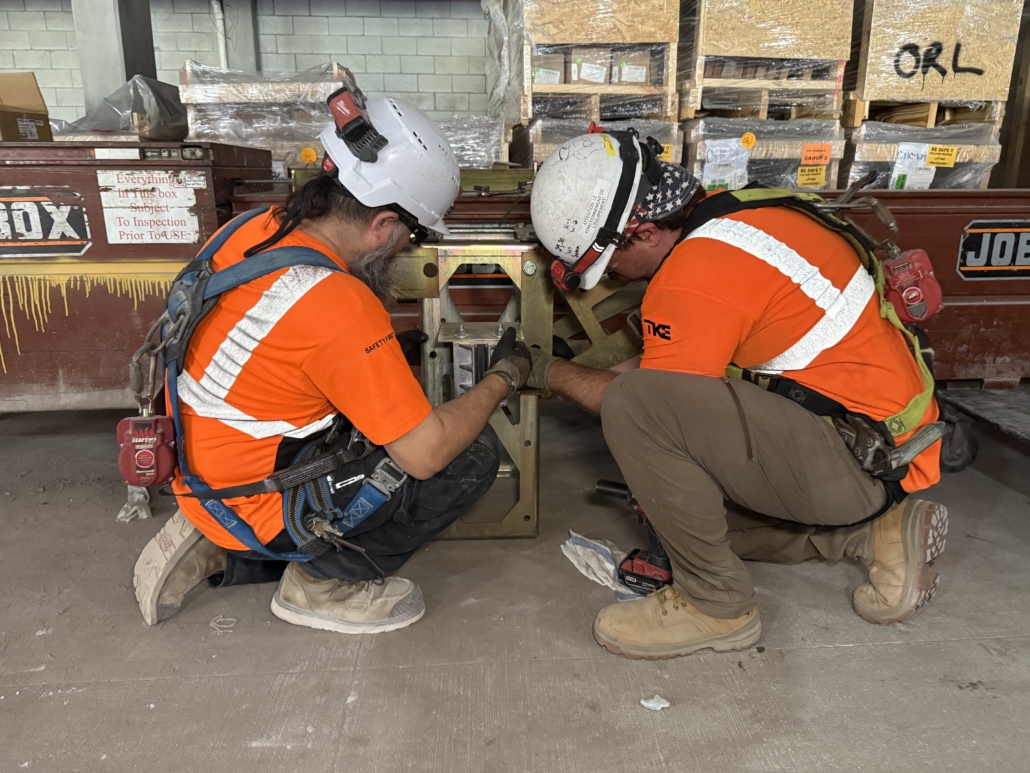
In an industry already predicated on pushing buttons, the massive $34 billion merger between KONE and TKE certainly does just that. A proposed deal announced in April and approved by shareholders in June combines Finland’s KONE with its German counterpart TK Elevator (TKE). This merger would create the largest elevator manufacturing and services company in the world with a projected $23 billion in annual revenue, equating to 28% market share ahead of rivals Otis and Schindler.
What’s Next
- With shareholder approval in hand, the two companies are now putting together filings for antitrust review, a considerable hurdle. The earliest word of government go-ahead would potentially be the second quarter of 2027.
- However, regulatory approval is far from certain in part because these two exact companies made a go at this years ago. In 2020, a previous attempt by KONE to acquire TKE fell apart due to antitrust concerns.
- This deal will also require clearance across multiple jurisdictions including the European Commission (DG Competition), Federal Trade Commission (FTC), Department of Justice (DOJ), Chinese market regulators, and others. There’s also likely to be scrutiny and resistance from European Works Councils (EWC) and their local trade unions, some of which have already expressed their opposition to the deal.
Industry Implications
- This merger could shift the competitive landscape in the elevator industry by joining two regional giants with a combined 3.2 million units under maintenance. Of those, TKE holds a strong Americas presence with approximately 1.4 million maintenance units, while KONE has bigger scale in Asia with about 1.8 million units.
- This move may trigger other defensive moves across the industry as Otis and Schindler look to protect their current portfolios. There could also be a wave of mid-market acquisitions as competing original equipment manufacturers (OEMs) attempt to scale up to compete more effectively.
Worker Impact
- The deal’s press release highlights almost $800 million in annual “synergies”. To those tracking the deal and mergers more generally, “synergies” is often taken as shorthand for head-count reductions. In short, there’s concern about job loss.
- Where there is redundancy, there may be reductions in the workforce for unionized elevator mechanics represented by organizations like the IUEC (International Union of Elevator Constructors) in North America, and various national unions across Europe – though there are typically fewer redundancies with a merger, as the number of units to be serviced still requires the same amount of field employees to perform the work.
